Are Facials Good for Acne?
By La Reina Aesthetics
Understanding when facials help — and when they can actually make acne worse
Acne Isn’t Just a Surface Issue
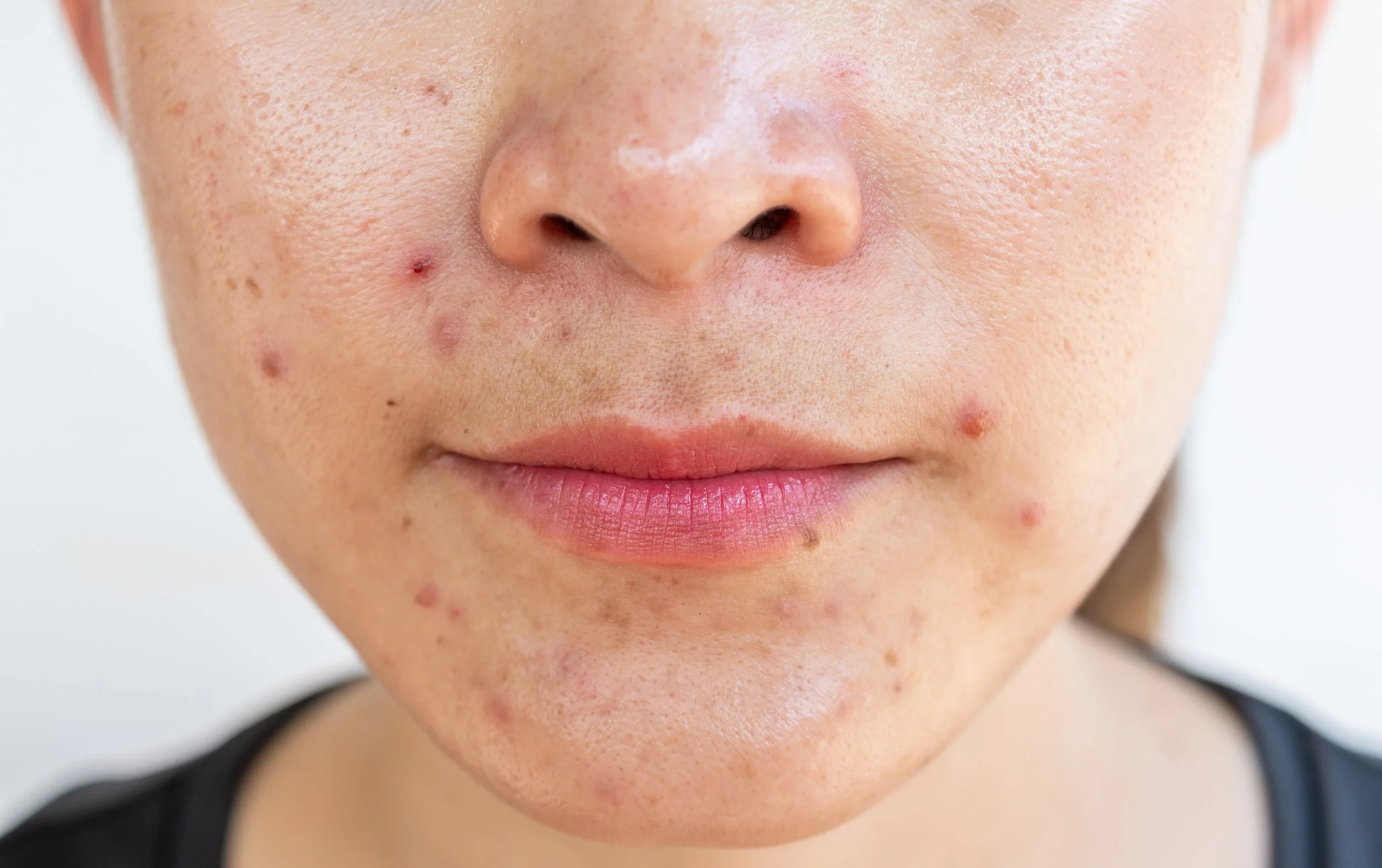
Acne is often treated as a surface problem — clogged pores, excess oil, bacteria.
But in reality, acne is influenced by inflammation, barrier health, oil regulation, and skin stress.
This is why some facials dramatically improve acne…
…and others leave skin irritated, inflamed, or breaking out even more.
The difference isn’t whether you get a facial — it’s how the facial is performed.
When Facials Are Good for Acne
Professional facials can support acne-prone skin when they focus on correction without aggression.
Done properly, acne facials can:
Reduce congestion and clogged pores
Calm inflammation instead of triggering it
Balance oil production
Support healthy skin turnover
Prevent future breakouts
This requires controlled exfoliation, proper extractions, and products chosen for acne-prone skin — not harsh treatments meant to “dry acne out.”
When Facials Can Make Acne Worse
Facials may worsen acne when they:
Over-exfoliate already inflamed skin
Use aggressive peels or scrubs too frequently
Perform extractions without proper prep
Ignore the skin barrier
Treat all acne the same
Acne-prone skin is often sensitive beneath the surface. When that sensitivity is ignored, breakouts can become more inflamed, persistent, and reactive. If your skin frequently stings, flushes, or overreacts to treatments, it may be dealing with sensitivity alongside acne. We explain this more deeply in our journal on why sensitive skin isn’t weak — and why gentle care is essential for long-term results.
Acne-prone skin is often sensitive skin underneath.
When that sensitivity is ignored, breakouts become more frequent and more inflamed.
The Role of Professional Acne Facials
A professional acne facial should never feel rushed or painful.
It should be strategic, calming, and corrective.
At La Reina Aesthetics, our acne treatments are designed to:
Decongest pores safely
Calm redness and inflammation
Support healing instead of stripping the skin
Improve acne gradually and sustainably
A healthy skin barrier plays a major role in acne recovery. When the barrier is compromised, skin becomes more inflamed, dehydrated, and prone to breakouts — even when oil is present. This is why acne treatments must support barrier repair, not strip the skin. If you want to understand this relationship more clearly, our journal on skin barrier health and why it matters explains how environment, treatments, and routines affect breakouts.
Our La Reina Aesthetics approach focuses on long-term skin health — not quick fixes.
You can learn more about our targeted acne treatment here:
How Often Should You Get Facials for Acne?
For most acne-prone skin types:
Every 3–4 weeks allows skin to heal and respond
Consistency matters more than intensity
Over-treating can delay progress
Acne improves when skin is supported, not forced.
The Bottom Line
Yes — facials can be very good for acne.
But only when they respect the skin barrier, inflammation levels, and your skin’s natural pace.
Acne-prone skin needs:
Balance
Patience
Professional guidance
Not harsh treatments or constant exfoliation.
Want Support Choosing the Right Acne Facial?
If you’re unsure what your skin needs right now, we’re here to help — without upselling or pressure.
Explore our Anti-Acne Facial or book a consultation to start with clarity, not guesswork.