Why Your Skin Needs Consistent Professional Treatments — Not Just Good Products
By La Reina Aesthetics
In today’s skincare world, it’s easy to believe that the right serum or moisturizer can solve everything. With endless product launches and skincare advice online, many people invest heavily in at-home routines — yet still feel like their skin isn’t improving the way they hoped.
The truth is: great products are important, but they can only do so much on their own.
Healthy, balanced skin requires consistency, professional guidance, and treatments that go beyond what at-home care can achieve.
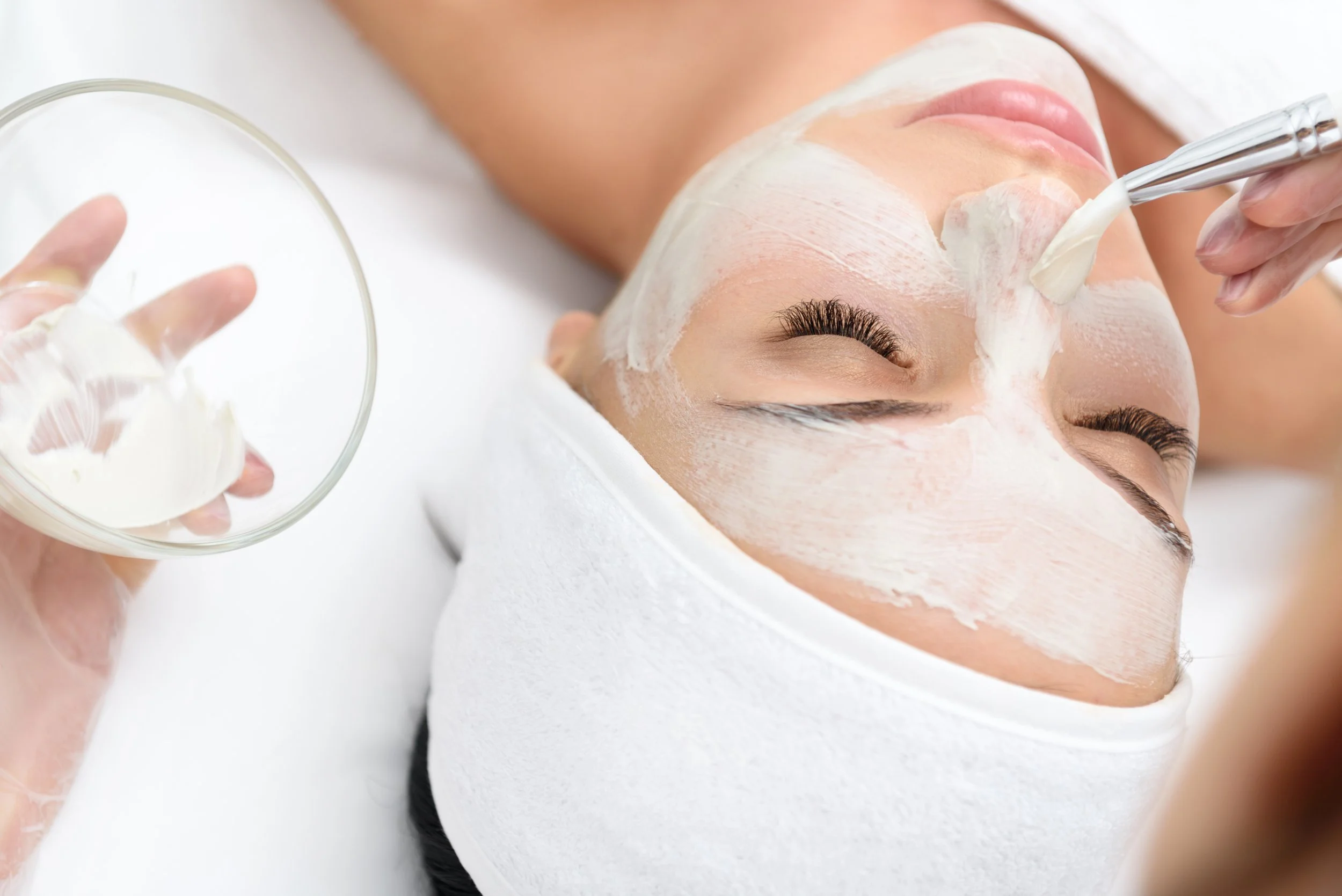
Here’s why professional facials play a crucial role in long-term skin health — even if you’re already using quality skincare.
Products Maintain — Treatments Correct
Think of skincare products as maintenance tools. They help preserve the work done on your skin, but they aren’t designed to deeply correct underlying issues on their own.
Professional treatments are able to:
exfoliate at a deeper, controlled level
clear congestion more effectively
deliver hydration beyond the surface
stimulate circulation and renewal
address concerns like acne, dullness, sensitivity, and early aging
Without professional treatments, products often end up working harder — with slower, less noticeable results.
Your Skin Changes Constantly
Skin is not static. It responds to:
stress
hormones
lifestyle changes
seasonal shifts
diet and sleep
product overuse or underuse
What worked for your skin six months ago may not be what it needs today.
Regular facials allow your esthetician to:
reassess your skin at each visit
adjust treatments accordingly
prevent concerns before they worsen
personalize care in real time
This level of customization simply isn’t possible through products alone.
Professional Exfoliation Matters
One of the biggest reasons products stop “working” is buildup.
Dead skin cells can:
block hydration
cause dullness
trap congestion
prevent active ingredients from penetrating
Professional exfoliation safely removes this buildup, allowing your skincare to perform as intended — not just sit on the surface.
Consistency Supports Long-Term Skin Health
Skin renews itself roughly every 28–35 days.
This is why consistency matters more than one-off treatments.
Regular facials:
support the skin’s natural renewal cycle
strengthen the skin barrier over time
improve texture, tone, and clarity gradually
create lasting results rather than temporary fixes
The goal isn’t perfection — it’s balance, resilience, and long-term health.
Facials Are Preventative, Not Just Corrective
Many people wait until their skin is “bad” before booking a facial.
In reality, professional treatments are most powerful when used preventatively — helping to:
maintain hydration
manage congestion early
slow visible aging
reduce sensitivity
keep skin functioning optimally
This proactive approach often results in fewer issues over time.
The Role of Professional Guidance
One of the most overlooked benefits of regular facials is education.
An experienced esthetician can help you:
avoid unnecessary products
prevent over-exfoliation
understand your skin’s signals
refine your home routine
make informed skincare decisions
This guidance saves time, money, and frustration in the long run.
How Often Should You Book a Facial?
For most skin types:
Every 4–6 weeks is ideal
More frequently for active concerns like acne
Slightly longer intervals for maintenance
Your treatment plan should always adapt to your skin’s current needs.
Final Thoughts
Skincare isn’t about chasing trends or collecting products — it’s about supporting your skin consistently and intentionally.
Professional treatments don’t replace good skincare — they elevate it.
When facials and home care work together, your skin has the support it needs to stay balanced, healthy, and radiant long-term.