The Real Difference Between Sensitive Skin vs. Sensitized Skin
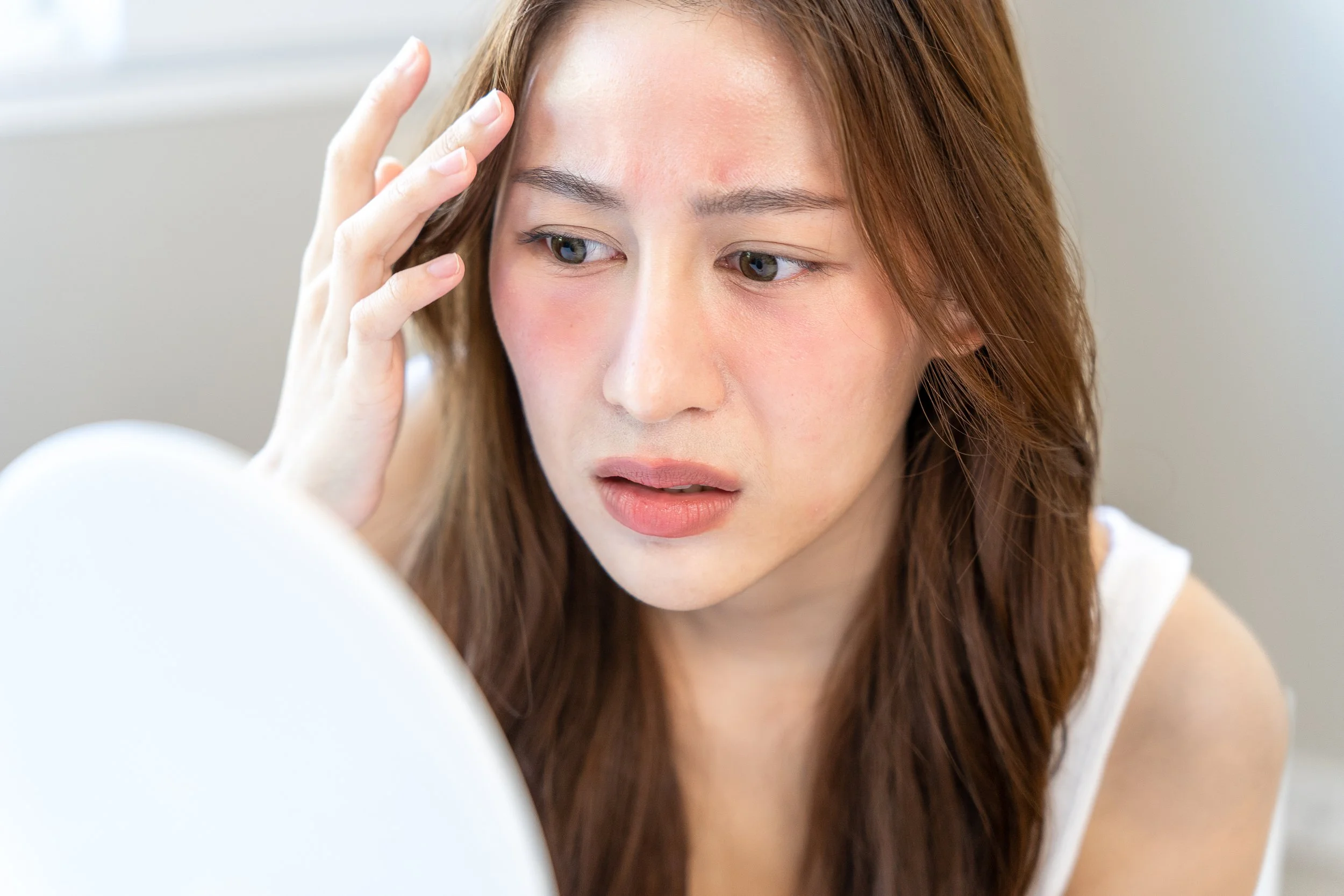
Sensitive Skin vs. Sensitized Skin: What’s the Difference?
Many people believe they have “sensitive skin,” but in reality, a large percentage are experiencing sensitized skin — a temporary reaction caused by external factors. Understanding the difference is essential for choosing the right treatments, products, and routines that support long-term skin health.
At La Reina Aesthetics, this is one of the most common questions clients ask, so let’s break it down clearly.
What Is Sensitive Skin?
Sensitive skin is a skin type, meaning it’s something you’re born with and it tends to stay consistent throughout life.
Signs of Sensitive Skin:
Naturally prone to redness
Easily irritated by new products
Reacts to temperature changes
Often paired with conditions like eczema or rosacea
Feels tight or warm after cleansing
Sensitive skin requires gentle, non-irritating, fragrance-free products and consistent care.
What Is Sensitized Skin?
Sensitized skin is a temporary condition, not a skin type. This means the skin is reacting due to external triggers, and once those triggers are addressed, the skin can return to normal.
Common Causes of Sensitized Skin:
Over-exfoliating
Using too many active ingredients
Sleeping in makeup
Harsh cleansers or toners
Stress
Climate changes
Hot showers
Strong fragrances or essential oils
Using products not suited to your skin type
Signs of Sensitized Skin:
Burning or stinging
Sudden redness
Flaking or rough texture
Tightness
Breakouts triggered by barrier damage
Increased sensitivity to products that used to be fine
Sensitized skin is extremely common — especially for people trying to DIY their skincare routines.
How to Tell Which One You Have
You likely have sensitive skin if:
✔ You’ve reacted to products your whole life
✔ Redness occurs even with gentle formulas
✔ Your skin is fragile, thin, and easily inflamed
✔ Family members also have sensitive skin
You likely have sensitized skin if:
✔ The sensitivity is new
✔ Your skin suddenly becomes reactive
✔ You’ve been using strong actives (e.g., retinol, AHAs, BHAs)
✔ You recently changed your skincare routine
✔ Stress, weather, or lifestyle habits are triggering flare-ups
How to Treat Sensitive vs. Sensitized Skin
For Sensitive Skin (True Skin Type):
Choose very gentle, hydrating products
Avoid fragrances and essential oils
Stick with cream cleansers
Use ceramides, beta glucan, and hyaluronic acid
Keep routines simple and consistent
Get soothing facials designed for barrier support
For Sensitized Skin (Temporary Condition):
Stop all exfoliants and strong actives
Avoid foaming or stripping cleansers
Focus on barrier repair
Use hydrating serums + barrier creams
Avoid heat, long hot showers, and saunas
Book a Calm + Restore Facial for soothing repair
With the right approach, sensitized skin can be repaired in days or weeks.
Why This Matters
Treating sensitized skin like sensitive skin (or vice versa) often leads to:
❌ overuse of nourishing products
❌ more irritation
❌ longer recovery times
❌ worsening redness or breakouts
Understanding the difference helps you choose treatments and products that truly support your skin.
How La Reina Aesthetics Can Help
Whether you have lifelong sensitivity or temporary sensitization, we personalize every facial to meet your skin where it is today.
A professional esthetician can:
✔ identify your skin type
✔ diagnose sensitized vs. sensitive
✔ create a custom treatment plan
✔ recommend products that won’t trigger irritation
✔ help rebuild your barrier
Your skin deserves to feel calm, strong, and supported.