Understanding Acne Triggers
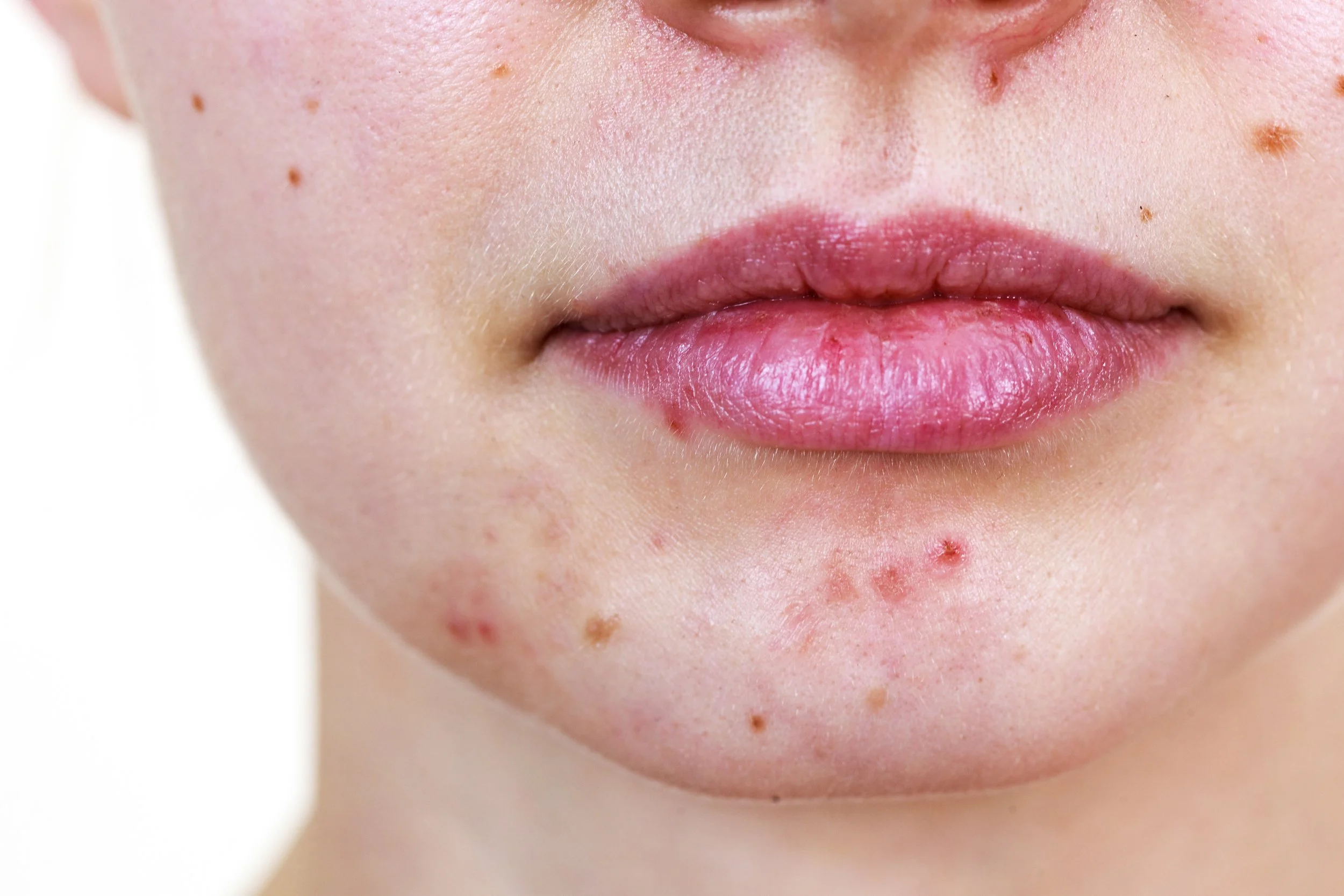
Acne is one of the most common skin concerns, yet also one of the most misunderstood. Many people blame the wrong things—like dirty skin or eating a single “bad food”—when the truth is that acne is influenced by a combination of internal and external triggers that interact with each person’s unique skin biology.
As an esthetician, I see firsthand that understanding what actually triggers acne is the key to clearing the skin. When clients know their triggers, they can avoid unnecessary irritation, choose better skincare, and see improvement faster.
Here’s a breakdown of the most important acne triggers and how to identify which ones are affecting your skin.
1. Hormonal Fluctuations (The Most Common Trigger)
Hormones directly affect oil (sebum) production. When hormones fluctuate, oil increases, pores clog more easily, and inflammation rises.
Common hormonal triggers:
Menstrual cycle
Pregnancy or postpartum
Starting/stopping birth control
High-stress periods
PCOS or other endocrine conditions
This type of acne often appears around:
✔ jawline
✔ chin
✔ mouth area
Breakouts may be deeper, more painful, or cystic.
2. Overproduction of Oil (Sebum)
Sebum is not “bad”—it protects the skin. But excessive oil + dead skin = clogs.
Causes of excess oil:
Genetics
Hormones
Overwashing the skin
Using harsh exfoliants
Using drying acne products
Paradoxically, people with oily skin often make their acne worse by stripping their skin, causing rebound oiliness.
3. Clogged Pores (Dead Skin + Oil)
Acne starts when dead skin cells become stuck inside pores instead of shedding normally.
This leads to:
whiteheads
blackheads
inflamed pimples
Pores don’t open and close—so the goal is to keep dead skin and oil moving properly.
Improper exfoliation or skipping exfoliation entirely are common causes.
4. Bacteria (C. acnes)
Acne isn’t an infection, but bacteria do play a role.
When pores become clogged, oxygen drops and bacteria multiply.
The immune system reacts → inflammation → red, painful pimples.
This is why gentle exfoliation and consistent cleansing matter.
5. Stress (One of the Most Overlooked Triggers)
Stress increases cortisol, which:
boosts oil production
increases inflammation
slows healing
disrupts hormones
Many people break out during:
✔ exams
✔ work pressure
✔ breakups
✔ life transitions
Skin does not heal well when the nervous system is overwhelmed.
6. Diet and Food Sensitivities
Food does not directly cause acne, but it can influence inflammation and oil production.
Common dietary triggers:
Dairy
Whey protein
Sugary snacks
High-glycemic foods
Energy drinks
Excess coffee
Everyone responds differently—tracking patterns is key.
7. Makeup, Hair Products & Skincare Ingredients
Comedogenic (pore-clogging) ingredients can cause chronic breakouts, especially on the forehead, cheeks, and hairline.
Watch for:
Isopropyl myristate
Coconut oil
Shea butter
Heavy primers
Foundation worn while sweating
Leave-in conditioners
Hair oils
Also: Never sleep in makeup — a major acne trigger.
8. Touching the Face & Picking Pimples
Touching introduces:
❌ bacteria
❌ oil
❌ dirt
❌ friction
Picking:
drives inflammation deeper
increases scarring
slows healing
spreads bacteria
Professional extractions are always safer
9. Not Washing Pillowcases & Sheets Frequently Enough
Fabric absorbs:
oil
sweat
bacteria
hair products
This can transfer back onto the skin and clog pores.
Aim to:
✔ change pillowcases every 2–3 days
✔ change sheets weekly
10. Improper Skincare Routine
A routine that is either too harsh or not effective enough can create acne flare-ups.
Harsh routines:
too much exfoliation
benzoyl peroxide + retinol + salicylic acid (all at once)
stripping cleansers
alcohol-based toners
Ineffective routines:
no exfoliation
no actives
heavy occlusive products
not washing face after sweating
Your skin thrives on consistency, not punishment.
How to Identify YOUR Personal Acne Triggers
Everyone’s acne has a different root cause. That’s why some people respond to salicylic acid, while others respond to hormonal balancing or barrier repair.
Here’s how to figure out your triggers:
✔ Track breakout timing
Do breakouts appear around the same time each month?
✔ Track breakout location
Jawline → hormonal
Forehead → hair products/stress
Cheeks → pillowcases/makeup
Back → sweat, fabric friction
✔ Review your skincare routine
Are you over-exfoliating? Under-exfoliating?
✔ Evaluate lifestyle factors
Stress, sleep, diet, hydration.
✔ Consider professional guidance
An esthetician can often find patterns you may not notice.
How Professional Treatment Helps
A customized acne-focused facial helps by:
✔ clearing clogged pores
✔ removing deep blackheads & congestion
✔ calming inflammation
✔ strengthening the barrier
✔ guiding proper at-home care
Consistent facials + the right home routine = the fastest improvement.
Final Thoughts
Acne is not caused by “dirty skin” or one bad product—it is influenced by many internal and external factors. Understanding your acne triggers allows you to take a more gentle, effective, long-term approach to clearing your skin.
With the right support and a personalized routine, acne becomes far more manageable, and your skin can regain clarity and balance.