Beef Tallow and Nutrient-Dense Traditional Ingredients in Skincare: What You Should Know
By La Reina Aesthetics
There’s a growing interest in skincare ingredients described as traditional, nutrient-dense, or bioavailable — especially among people feeling overwhelmed by modern, multi-step routines.
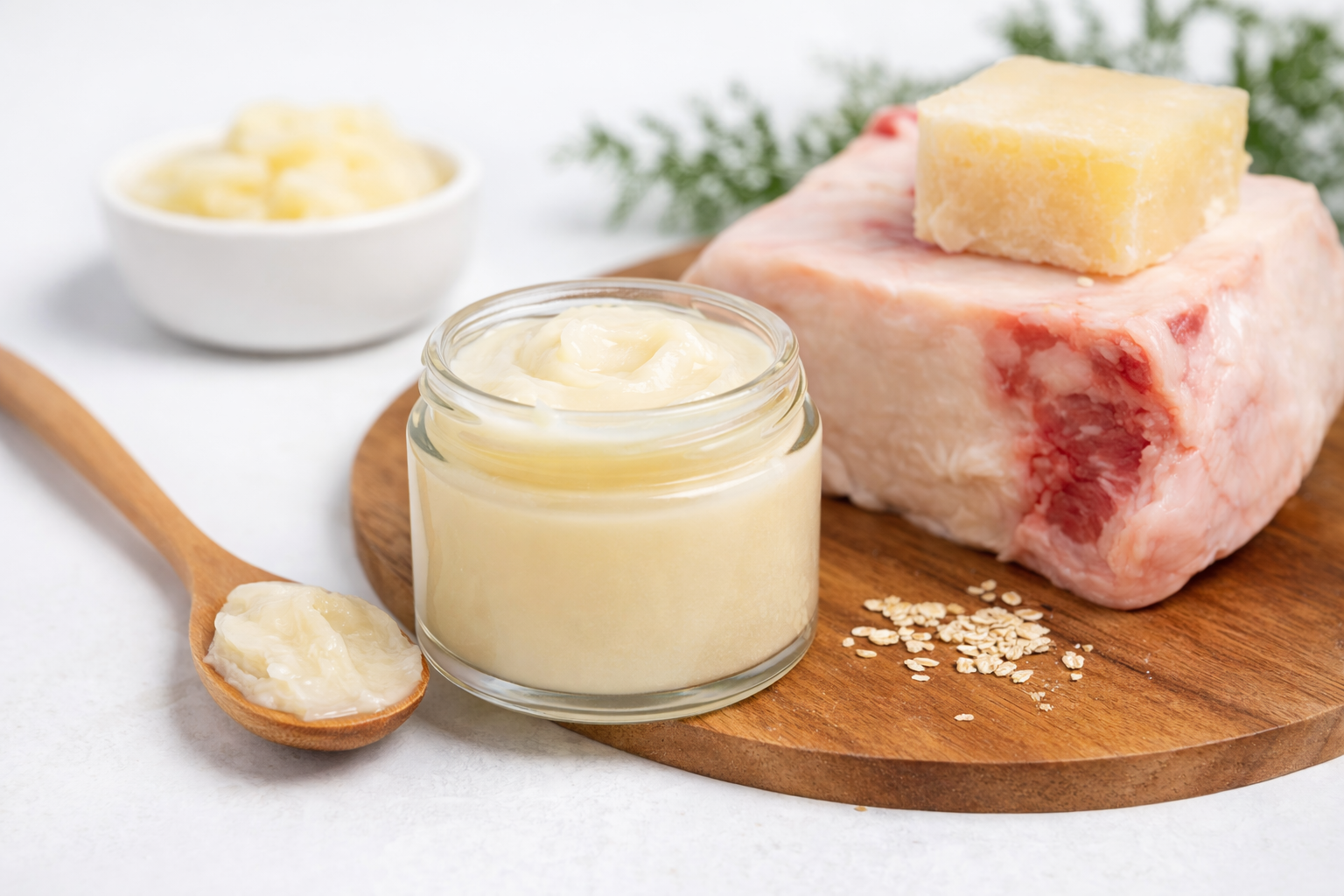
One ingredient getting a lot of attention is beef tallow, a rendered animal fat now being used in balms, moisturizers, and soaps. While this trend is often framed as a return to “ancestral” skincare, it’s worth understanding what tallow actually does for the skin — and where its limits are.
Why traditional, nutrient-dense ingredients are trending
Many people are drawn to traditional ingredients because they feel simple, familiar, and less processed. Beef tallow, in particular, is rich in fatty acids and small amounts of fat-soluble vitamins, which has led some to believe it closely mimics the skin’s natural oils.
This idea of nutrient density sounds appealing — but nutrient presence alone doesn’t guarantee that skin can use those nutrients effectively.
What matters most is how an ingredient interacts with the skin barrier, which determines how well skin retains moisture and tolerates products over time. This is why the
skin barrier is more important than any treatment.
What beef tallow actually does on the skin
Beef tallow functions primarily as an occlusive. That means it sits on the surface of the skin and helps slow water loss.
For some people with very dry or compromised skin, this can feel soothing. The skin may feel softer and more comfortable shortly after application.
However, occlusion alone doesn’t equal repair. Ingredients that truly support barrier function work within the skin’s structure — not just on top of it. This distinction helps explain why some people feel temporary relief with tallow, while others see no lasting improvement.
Where problems can start
Because beef tallow is heavy and highly occlusive, it isn’t suitable for every skin type.
People who are prone to congestion may notice an increase in clogged pores, especially if tallow is layered with other rich products. Understanding what causes clogged pores is especially important before experimenting with dense, oil-based ingredients.
Others may experience increased reactivity over time, particularly if the skin barrier is already stressed. When the barrier is compromised, even “natural” ingredients can trigger irritation. This is often why people begin questioning why their skin reacts to products it used to tolerate.
Traditional doesn’t always mean gentler
One of the biggest misconceptions around traditional skincare is that older ingredients are automatically safer or better.
Skin reacts to exposure and formulation, not intention. Animal fats were historically used out of necessity — not because they were optimized for acne-prone, sensitive, or environmentally stressed modern skin.
This is why sensitivity can still develop, even with minimalist or “natural” routines. If skin begins stinging, burning, or reacting unpredictably, it’s often a sign of barrier stress — something explored further in why is my skin so sensitive.
Why this trend feels appealing right now
The popularity of beef tallow skincare reflects a broader reaction against overly complex routines and constant trend cycling.
Many people are looking for fewer products, calmer routines, and a sense of trust in what they’re applying to their skin. That motivation makes sense — but trends can still oversimplify how skin actually functions.
This pattern fits into the larger conversation around modern skincare hype, which is why this topic connects closely to skincare trends you’re better off avoiding.
What to consider before trying it
If you’re curious about beef tallow or other nutrient-dense traditional ingredients, a few considerations matter more than the ingredient itself:
Patch test first
Avoid layering with other heavy products
Watch for changes in congestion or sensitivity
Focus on how your skin feels over time, not immediately
Skin improvement rarely happens overnight. Whether using traditional or modern products, understanding
how skin actually heals and why it takes time
helps prevent overcorrecting or jumping between routines too quickly.
A balanced takeaway
The interest in nutrient-dense, traditional ingredients like beef tallow comes from a real desire for skin that feels nourished and supported.
For some, tallow may offer short-term comfort. For others, it may contribute to congestion or irritation. The difference usually comes down to skin type, barrier health, and overall routine — not whether an ingredient is ancient or modern.
Skincare works best when it’s guided by how skin actually functions, not just where an ingredient comes from.