Why Is My Skin So Sensitive? (And why it reacts even when you’re “doing everything right”)
By La Reina Aesthetics
The Frustration
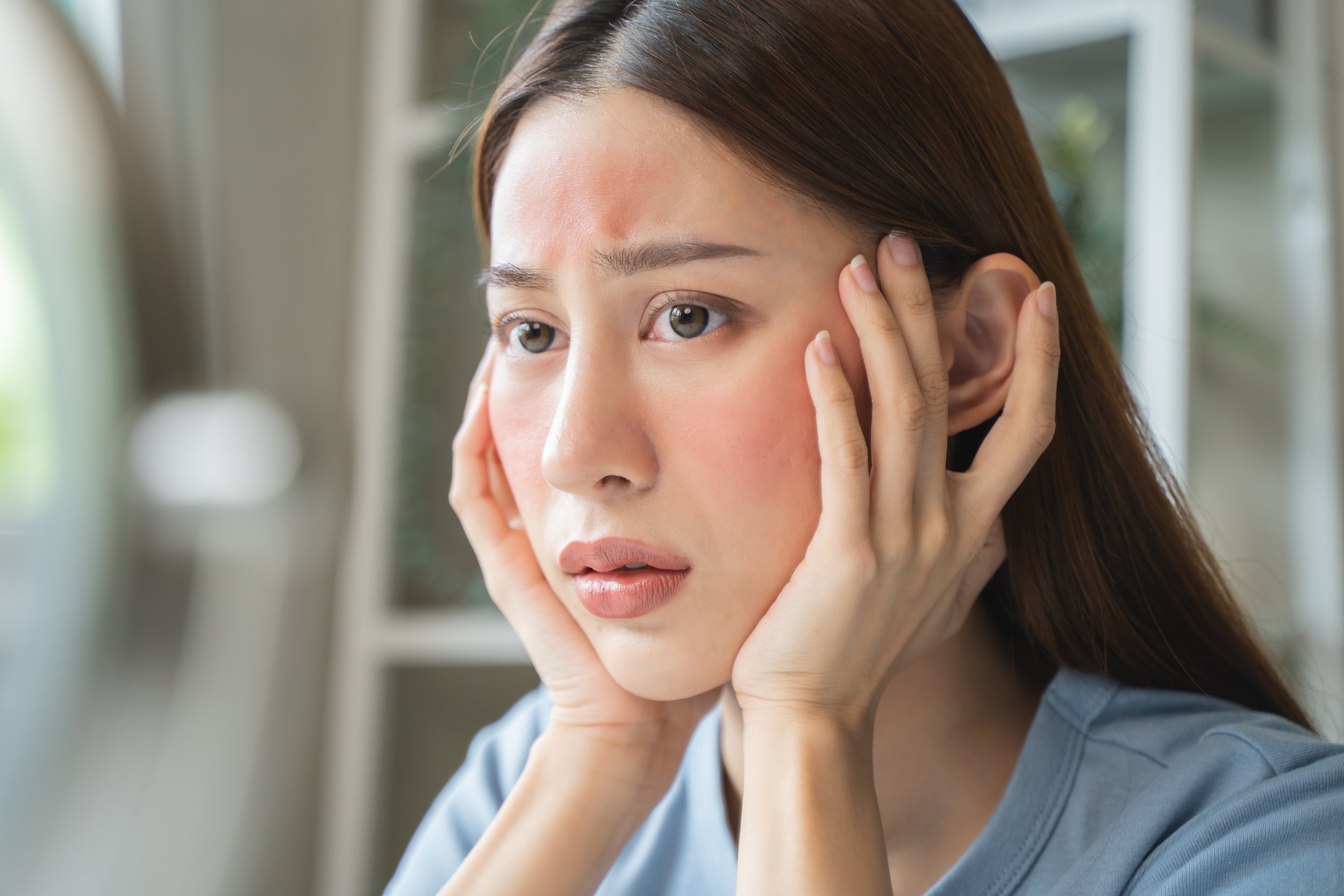
If your skin:
stings or burns easily
turns red for no clear reason
reacts to products that used to be fine
feels itchy, tight, or uncomfortable
You’re not imagining it — and you’re not alone.
Sensitive Skin Isn’t a Skin Type
Sensitive skin is usually a condition, not a permanent identity.
Most sensitivity happens when the skin’s protective barrier is compromised and no longer able to defend itself properly.
What Sensitivity Really Means
When your skin barrier is weakened:
irritants penetrate more easily
moisture escapes
nerve endings become exposed
inflammation increases
This makes your skin react faster and more intensely than it should.
Common Causes of Sensitive Skin
Sensitivity is often triggered by:
over-exfoliation
strong acids or retinoids
fragrance or essential oils
alcohol-based products
frequent product switching
environmental stress (cold, wind, pollution)
stress and hormonal changes
Your skin isn’t “picky” — it’s overwhelmed.
Why Even “Good” Products Can Burn
When the barrier is compromised, ingredients that are normally safe can:
sting
tingle excessively
cause redness or flushing
This doesn’t always mean an allergy — it often means your skin needs repair, not replacement products.
Sensitive Skin Needs Protection, Not Correction
Trying to “fix” sensitivity with stronger treatments usually makes it worse.
Sensitive skin responds best to:
fewer products
gentle formulations
barrier-supporting ingredients
consistent routines
Calm comes from stability.
When Sensitivity Starts to Fade
As the skin barrier heals:
redness reduces
stinging disappears
tolerance improves
skin feels more comfortable and resilient
Healthy skin doesn’t overreact.
Final Thought
Sensitive skin isn’t weak skin.
It’s skin asking for support.
When you stop challenging your skin and start protecting it,
sensitivity slowly fades — and balance returns.