Why is my Skin so Dry?
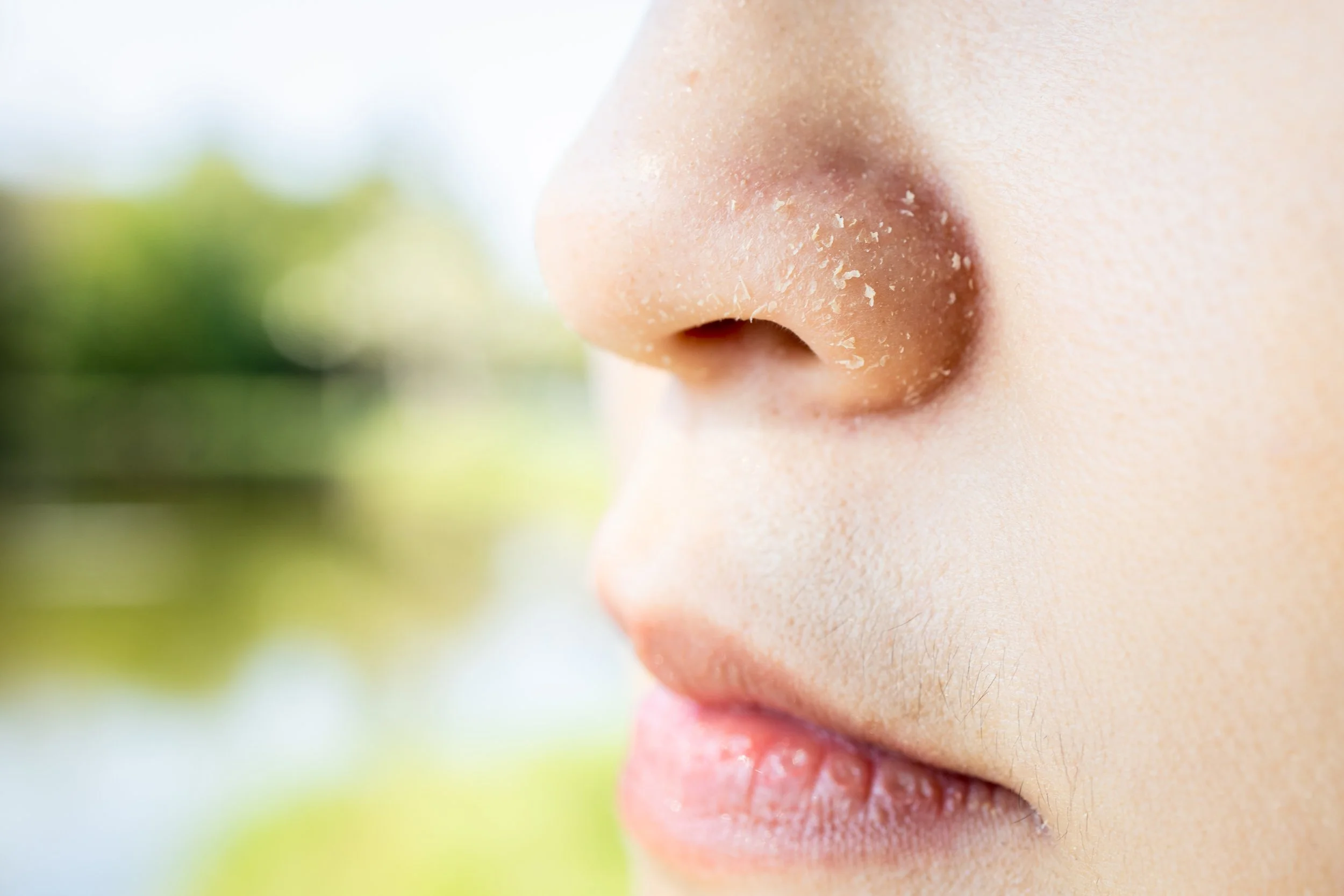
By La Reina Aesthetics
Why Is My Skin So Dry?
(Even When I Use “Good” Products)
Dry skin is one of the most common concerns people experience — and one of the most misunderstood.
If your skin feels tight, uncomfortable, flaky, or rough even though you’re moisturizing regularly, it’s easy to assume you just haven’t found the right product yet. In reality, persistent dryness is often less about what you’re applying and more about how your skin is functioning underneath.
Understanding why your skin feels dry is the first step toward improving it long-term.
Dry skin isn’t always about moisture
Many people think dry skin means their skin lacks water. While hydration plays a role, true dryness often comes down to how well the skin can retain moisture.
Healthy skin relies on a strong outer layer to:
Hold hydration inside the skin
Protect against environmental stress
Maintain comfort and flexibility throughout the day
When this protective layer is compromised, moisture escapes more easily — even if you’re using high-quality products. This is why dryness often overlaps with skin sensitivity, irritation, or redness.
Common reasons skin stays dry
From a professional skin-care perspective, dryness usually develops due to a combination of factors rather than a single cause.
1. Over-cleansing
Cleansing too frequently or using strong cleansers can strip away natural lipids that help keep moisture locked in. Over time, this weakens the skin’s ability to self-regulate.
2. Over-exfoliation
Using exfoliating acids, scrubs, or retinoids too often can disrupt the skin barrier faster than it can repair itself. This often leads to dryness that doesn’t respond well to moisturizers.
Why Your Skin Gets Worse When You Try Too Many Products
3. Barrier disruption
The skin barrier plays a central role in dryness. When it’s compromised, even nourishing products can evaporate quickly or feel ineffective.
Your Skin Barrier Is More Important Than Any Treatment
What Aestheticians Mean When They Say “Barrier First”
4. Environmental stress
Cold weather, indoor heating, wind, and low humidity all increase moisture loss from the skin — especially during winter months.
Why adding more products doesn’t always help
When skin feels dry, the instinct is often to layer more products or switch routines frequently. Unfortunately, this can make dryness worse rather than better.
Skin that’s overwhelmed with too many products often becomes:
Less efficient at repairing itself
More reactive
Slower to recover moisture balance
This is why dryness often improves when routines become simpler, not more complicated.
Why Skin Care Should Feel Calm — Not Aggressive
What actually helps dry skin long-term
Rather than chasing hydration alone, the most effective approach usually focuses on supporting the skin barrier first.
That typically means:
Gentle cleansing (once or twice daily)
Reducing exfoliation temporarily
Using products designed to support barrier repair
Allowing skin time to stabilize before introducing new actives
When the barrier improves, the skin naturally becomes better at holding moisture — and dryness gradually decreases.
How Skin Actually Heals (And Why It Takes Time)
How to tell if your skin is improving
Dry skin doesn’t resolve overnight, but early signs of improvement include:
Less tightness throughout the day
Products absorbing comfortably without stinging
Reduced flaking or irritation
Skin feeling more flexible rather than greasy
These changes usually happen gradually, which is a sign the skin is repairing rather than being forced.
A final thought
If your skin feels dry despite your best efforts, it’s not a failure — it’s feedback.
Dryness is often the skin’s way of asking for support, not stronger products. When that feedback is understood and respected, improvement becomes far more sustainable.
📍 La Reina Aesthetics — Calgary