What Causes Hyperpigmentation & How to Treat It Safely
By La Reina Aesthetics
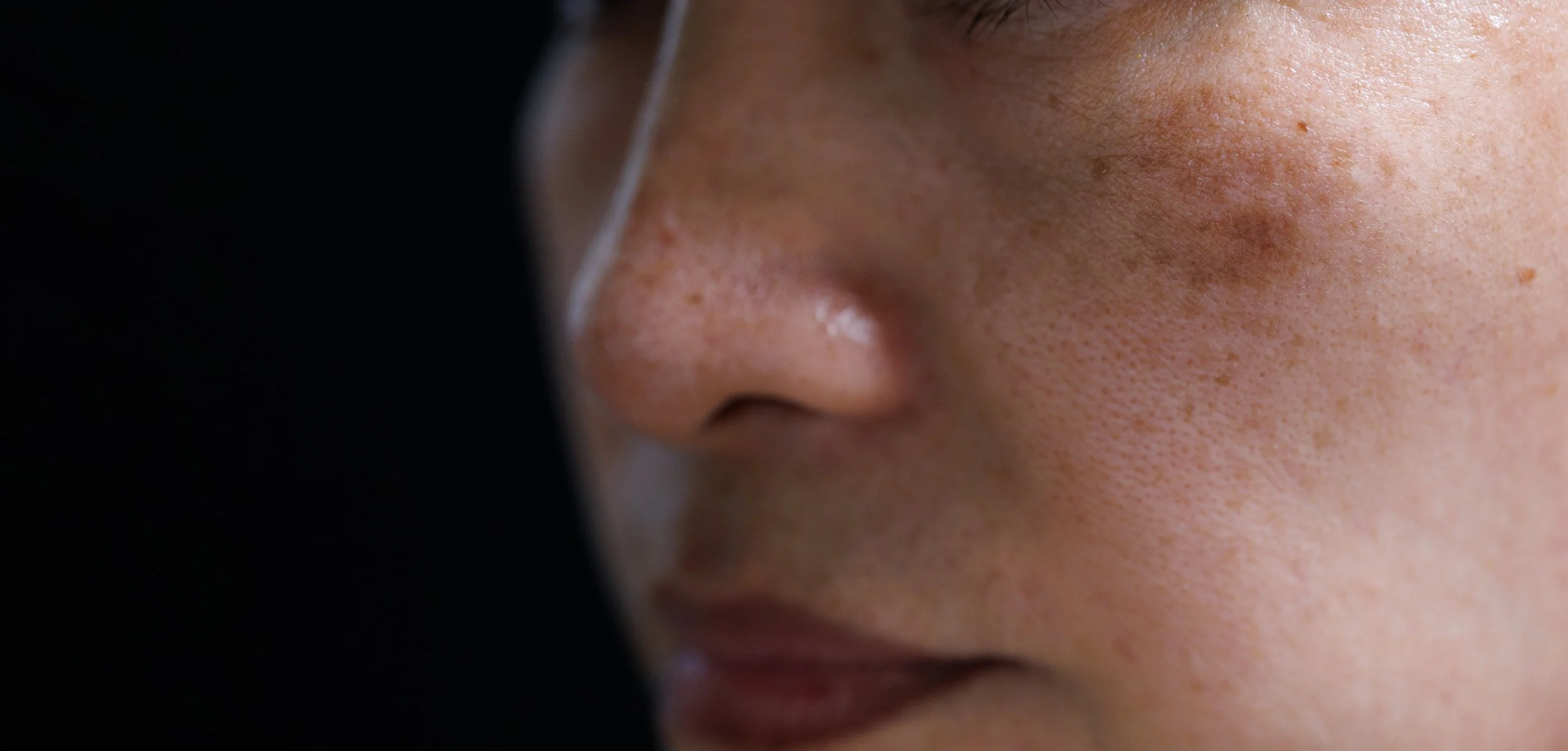
Hyperpigmentation is one of the most common skin concerns — and also one of the most misunderstood. It shows up as dark spots, uneven tone, lingering marks after breakouts, or patches of discoloration that seem to take forever to fade.
The truth is, hyperpigmentation is a normal skin response, but treating it safely requires understanding the underlying causes and choosing the right approach for your skin type. Harsh treatments, incorrect products, or DIY “brightening hacks” can make pigmentation worse — especially for deeper skin tones.
Here’s what really causes hyperpigmentation, why it happens, and how to fade it effectively and safely.
What Is Hyperpigmentation?
Hyperpigmentation occurs when the skin produces excess melanin — the pigment responsible for skin color. When melanin production becomes uneven or overstimulated, it results in:
dark spots
post-acne marks
sun spots
melasma
blotchy or uneven tone
Although harmless, hyperpigmentation can affect confidence and often takes time to improve because the pigment sits deep within the skin.
The Most Common Causes of Hyperpigmentation
1. Sun Exposure
This is the number one cause.
UV rays increase melanin production, leading to:
sun spots
freckles darkening
overall uneven tone
worsening of existing pigmentation
Even brief exposure without SPF can set back your progress.
2. Post-Inflammatory Hyperpigmentation (PIH)
PIH happens after:
acne breakouts
picking or popping pimples
eczema flare-ups
bug bites
rashes
scrapes or scratches
When the skin becomes inflamed, melanocytes produce extra pigment to protect the area — leaving behind a dark mark even after the wound heals.
PIH is especially common in deeper skin tones.
3. Hormones (Melasma)
Hormonal changes can trigger melasma, also known as the “mask of pregnancy.”
Common triggers include:
pregnancy
birth control
hormone therapy
stress
thyroid disorders
Melasma typically appears as symmetrical patches on:
cheeks
forehead
upper lip
jawline
Hormonal pigment requires a very gentle, consistent treatment plan — aggressive treatments can worsen it.
4. Heat Exposure
Heat alone (even without UV) can trigger pigmentation by stimulating melanocytes.
This includes:
hot yoga
saunas
hot showers
cooking over a stove
warm climates
People are often surprised to learn that heat is a pigmentation trigger, not just sunlight.
5. Skin Trauma
Anything that injures the skin can cause pigment:
waxing
burns
harsh scrubs
over-exfoliation
chemical irritants
This is why a balanced skin barrier is essential before any corrective treatment.
How to Treat Hyperpigmentation Safely
1. Daily SPF — The Non-Negotiable Step
No treatment will work without sunscreen.
Even the strongest brightening serums cannot compete with UV damage.
Look for:
SPF 30 or 50
broad spectrum
non-comedogenic formulas
Apply every morning, even in winter, even indoors.
2. Gentle, Consistent Exfoliation
Exfoliation helps remove pigmented cells and brighten the skin, but must be done safely.
Effective options include:
lactic acid
mandelic acid
glycolic acid (for non-sensitive skins)
enzyme exfoliants
Consistency + gentleness = faster improvement.
3. Brightening Serums
Professional brightening ingredients help fade pigment and even tone.
Top choices:
Vitamin C
Niacinamide
Alpha arbutin
Kojic acid
Tranexamic acid
Licorice root
Layering too many brighteners can cause irritation — and worsen pigmentation — so pair ingredients carefully.
4. Microneedling
Microneedling helps break up deeper pigment and increases the absorption of brightening ingredients.
It’s especially effective for acne marks and sun damage.
(Not recommended for active acne or very sensitive skin.)
5. Professional Facials
Regular facials support pigment correction by:
✔ improving cell turnover
✔ clearing congestion
✔ reducing inflammation
✔ hydrating the skin
✔ enabling product absorption
Barrier repair is essential to prevent new pigmentation from forming.
6. Treat the Cause, Not Just the Symptom
Lasting results require identifying the root trigger:
acne → treat breakouts
hormonal changes → create a gentle, long-term plan
sun damage → strict SPF and antioxidant use
over-exfoliation → barrier repair
Correcting pigmentation is a process, not a quick fix — but completely achievable with consistency.
Who Is Most Prone to Hyperpigmentation?
People with more melanin (Fitzpatrick III–VI) are naturally more susceptible.
Hyperpigmentation may appear:
darker
longer-lasting
triggered by minor irritation
This makes gentle, cautious treatment essential.
How Long Does It Take to See Results?
Mild PIH → 3–6 weeks
Moderate → 8–12 weeks
Hormonal melasma → several months + maintenance
Deep sun damage → ongoing treatment
Consistency and professional guidance are key.
Final Thoughts
Hyperpigmentation is incredibly common — and completely treatable with the right approach. Whether the cause is sun exposure, acne, hormones, or irritation, your skin can return to a more even, radiant tone over time.
The safest path forward?
A personalized treatment plan, professional products, and a consistent routine designed for your skin.
If you’re struggling with dark spots or uneven tone, we’ll guide you through the process every step of the way.