The Importance of Regular Facials: How Often Should You Really Get One?
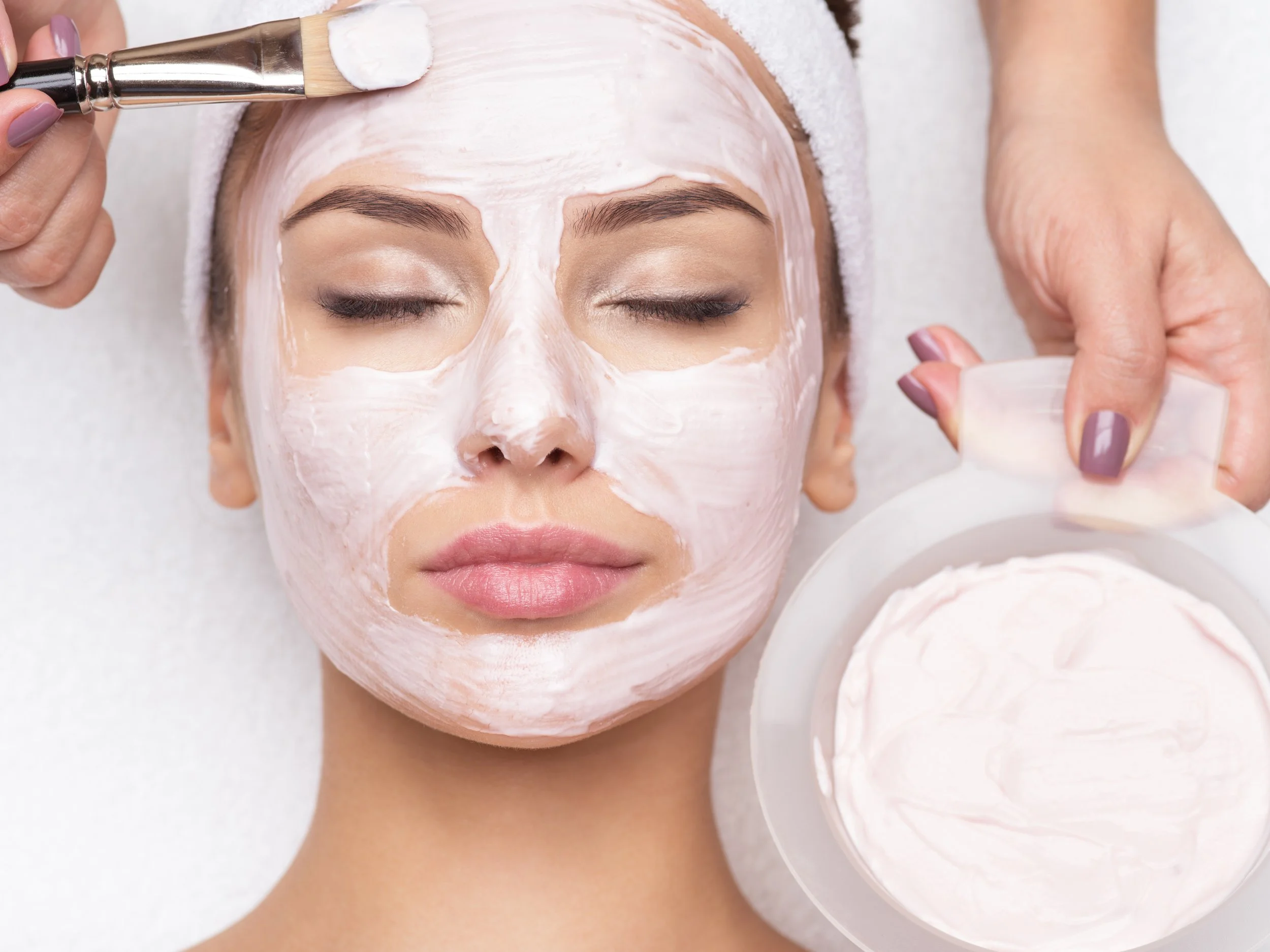
Most people think of a facial as a relaxing spa treat — something you do once in a while for pampering. But in reality, facials are a form of professional skin maintenance, not just luxury. Just like dental cleanings or haircuts, facials work best when they’re done consistently and at the right intervals.
Your skin goes through a full renewal cycle every 28–40 days, depending on age, environment, and overall health. Professional facials are designed to support that natural cycle, correct concerns, and prevent new issues from forming.
Here’s why regular treatments matter, what happens to your skin between visits, and the ideal booking frequency based on actual skin science.
Why Regular Facials Matter
1. They Deep-Clean Beyond What You Can Do at Home
Even with a great routine, oil, buildup, pollution, sunscreen, and dead skin accumulate in the pores.
Professional facials use:
✔ steam
✔ enzymatic exfoliation
✔ controlled extractions
✔ professional-grade products
This helps prevent:
congestion
blackheads
texture
breakouts
Your home routine keeps your skin clean — but facials keep it clear.
2. They Improve Skin Cell Turnover
Research shows:
👉 Younger skin: 28–30 days per cycle
👉 Mature skin (30–50): 28–40 days
👉 Age 50+: 40–60 days
Facials help your skin:
shed dead skin more efficiently
brighten dullness
improve smoothness
reduce fine lines
This is why monthly facials often give the best results.
3. They Strengthen the Skin Barrier
Healthy skin shouldn’t feel:
tight
dry
flaky
irritated
sensitive
Professional hydration techniques, barrier-supporting masks, and tailored treatments restore balance — something common drugstore products can’t achieve.
4. They Allow Your Esthetician to Track Your Skin Over Time
Skin changes due to:
weather
hormones
stress
lifestyle
diet
Consistent treatments let your esthetician adjust your routine based on what your skin needs right now, not six months ago.
This is where clients see the biggest transformations.
5. They Keep Acne Under Control
For acne-prone clients, regular facials help:
✔ reduce congestion before it becomes inflamed
✔ minimize breakouts
✔ lower inflammation
✔ soften the pores for safer extractions
✔ fade post-inflammatory marks faster
Consistency is everything when managing acne.
6. They Boost Collagen Through Professional Massage & Exfoliation
A study published in the Journal of Biomedical Research showed that facial massage increases skin oxygenation and improves circulation, which can support collagen production and natural radiance.
Regular exfoliation also improves:
texture
tone
fine lines
dullness
Anti-aging results are gradual — but long-term.
How Often Should You Get a Facial?
✔ The “Gold Standard”: Every 4–6 Weeks
This matches your natural skin renewal cycle.
4 weeks → ideal for acne or congestion
5 weeks → normal or combination skin
6 weeks → sensitive or easily irritated skin
This is the interval recommended by:
CIDESCO estheticians
International Dermal Institute
PCA Skin
Dermalogica
Top dermatology clinics
✔ Acne-Prone or Congested Skin: Every 2–4 Weeks
Why?
Because acne lesions take up to 90 days to form beneath the skin.
Regular treatments catch congestion before it becomes inflamed.
✔ Dry, Dehydrated, or Sensitive Skin: Every 4–6 Weeks
Barrier repair takes time, and over-exfoliating can cause more sensitivity.
A gentler schedule works best.
✔ Mature Skin (Age 40+): Every 4 Weeks
As cell turnover slows, more frequent treatments help brighten and smooth the complexion.
✔ Maintenance Phase (After achieving your goals): Every 6–8 Weeks
Once your skin is stable, you can extend your interval slightly — but consistency still matters.
What Happens If You Wait Too Long Between Facials?
Going months between facials can lead to:
buildup of dead skin
loss of radiance
increased pigmentation
more texture
deeper congestion
slower healing
weaker barrier
harder extractions
You’ll still see benefits, but results won’t be cumulative.
Final Thoughts
Regular facials are not just a luxury — they’re a form of ongoing skin maintenance that supports your routine, enhances your results, and keeps your complexion healthy long-term.
If you’re unsure how often your skin needs a facial, we recommend starting with a professional consultation. Your esthetician can build a treatment plan that grows with your skin and adjusts to your goals.
Your best skin isn’t achieved in one appointment —
it’s built through consistency. 💛